Understanding the Revenue Gap
Cart Abandonment represents significant lost revenue for online businesses. Many customers show clear purchase intent but leave before completing transactions due to friction in the buying process.
Reducing Cart Abandonment is a critical part of E-Commerce Conversion Optimisation, as even small improvements in the checkout experience can significantly improve revenue performance.
Identifying the Friction Points
Creating a Seamless Checkout Experience
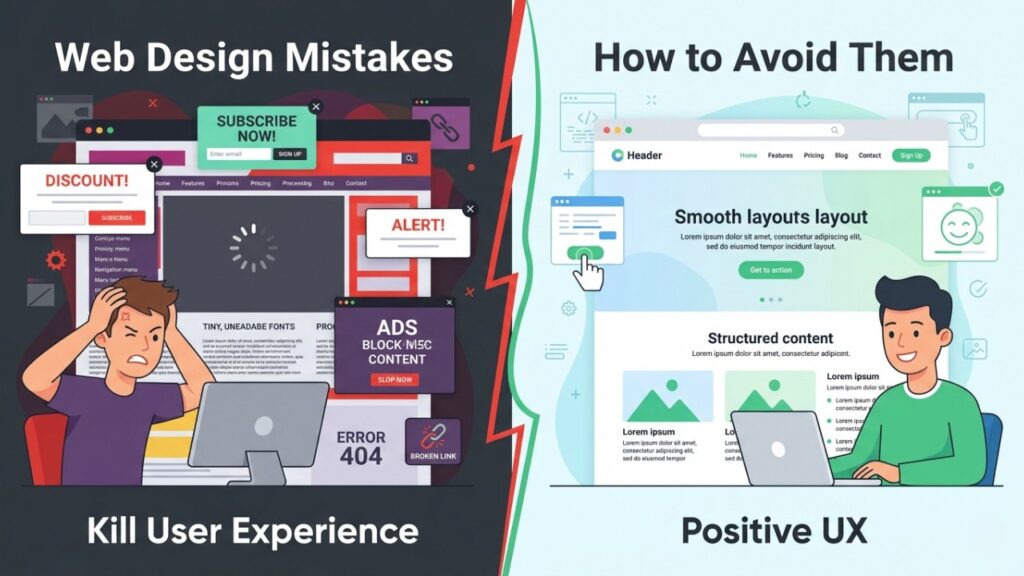
Transparent pricing displayed early builds trust and reduces hesitation. A simplified checkout process with minimal steps improves completion rates. Offering guest checkout and multiple payment options accommodates different user preferences.
These practices support E-Commerce Conversion Optimisation by streamlining the path to purchase. A well-structured checkout combined with thoughtful User Experience Optimisation creates a frictionless journey that helps Improve Conversion Rate and lowers Cart Abandonment.
Smart Recovery Tactics
Automated email reminders and retargeting campaigns can bring back hesitant buyers. Continuous testing and UX improvements help reduce abandonment over time.
Recovering lost opportunities is not about applying pressure. It is about understanding user behaviour and strategically minimising cart abandonment through consistent optimisation efforts.
Conclusion
Cart Abandonment is rarely about lack of intent. It is about friction. By simplifying the user journey, improving transparency, and implementing recovery strategies, businesses can recover lost revenue and strengthen customer trust.
Optimising UX is an ongoing process, but even small improvements in E-Commerce Conversion Optimisation and focused User Experience Optimisation can significantly impact conversion rates and long-term profitability.